
 Türkçe
  English
  Deutsch
  Español
  Français
  Italiano
  Português
  Русский
  عربي
عربي  Polski
  Čeština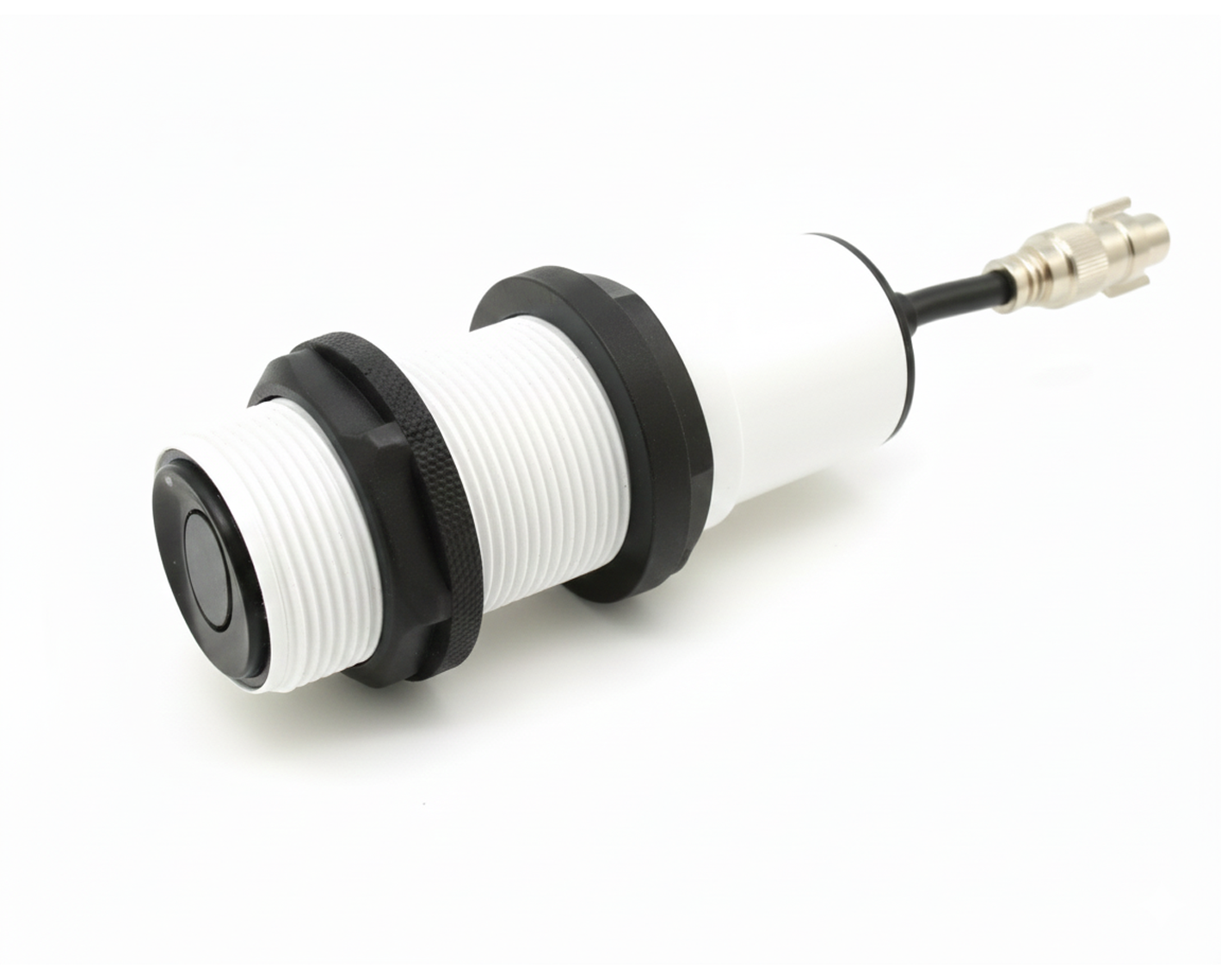
Piezoelectric Sensor
Product Description
Piezoelectric Sensor: The Digital Language of Micro Vibrations
In dynamic and static balancing, accurately measuring vibrations at sub-millimeter (micron-level) precision is the key to guaranteeing optimum performance. This is where Piezoelectric Sensors come into play. These advanced sensors convert mechanical energy (vibration) into electrical signals, enabling our balancing machines to detect even the smallest irregularities in the workpiece.
How Does a Piezo Sensor Work?
At the core of piezoelectric sensors are special crystal materials (such as quartz or ceramics) that generate an electrical charge when pressure or mechanical stress is applied. In our turbo balancing machines, this process works as follows:
-
Mechanical Stress: When an unbalanced workpiece rotates at high speed, it generates micro-level vibrations (mechanical stress) on the bearing system of the balancing machine.
-
Electrical Conversion: Piezo sensors strategically positioned on the bearing block of the balancing machine detect these mechanical vibrations and convert them into proportional low-level electrical signals.
-
Digital Analysis: The generated electrical signals are transmitted to the balancing machine’s processor. The processor analyzes these signals to accurately calculate the vibration amplitude (intensity) and phase (angle).
The Importance of Piezo Sensors in Turbo Balancing
-
Superior Precision: Piezo sensors can detect extremely small vibration amplitudes, allowing milligram-level imbalances on the shaft to be identified.
-
Wide Frequency Response: They can accurately measure frequencies generated at very high rotational speeds reached by the workpieces.
-
Durability and Stability: Their robust design, resistant to high operating temperatures and industrial environments, ensures long service life and reliable performance.
-
Real-Time Data: By instantly converting vibration data into electrical signals, they enable the balancing machine to provide fast, real-time correction recommendations.