
 Türkçe
 English
 Deutsch
 Español
 Français
 Italiano
 Português
 عربي
 Polski
 Čeština

We balance rotating parts in our workshop on our own horizontal and vertical balancing machines: electric motor rotors, fans, pump impellers, rolls, pulleys, shafts and turbine rotors. The part is balanced dynamically in two planes or statically in one plane, depending on its shape, and you receive a report with the initial and residual unbalance and the balance grade reached according to ISO 21940-11 (formerly ISO 1940).
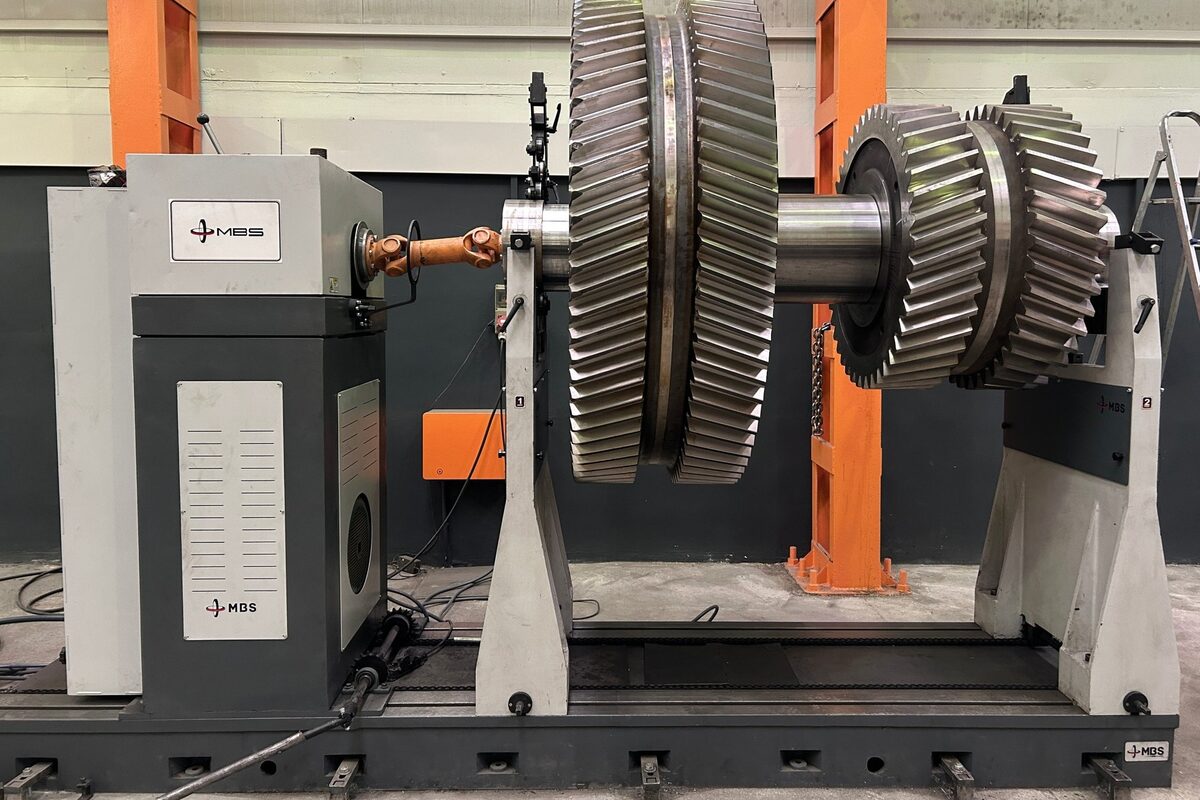
Benefits of Our Horizontal Balancing Service
- Vibration and Noise Reduction: Provides a more comfortable and safe working environment by minimizing vibration and noise caused by unbalance.
- Extending Machine Life: Significantly extends the life of your equipment by reducing excessive load on bearings, shafts, and other critical components.
- Increased Energy Efficiency: Reduces your operating costs by preventing unnecessary energy consumption caused by unbalanced equipment.
- Production Continuity: Fewer breakdowns and less unplanned downtime in production.
Application Areas
Typical parts we balance in our workshop:
- Fans and impellers: industrial fans, blowers, pump impellers
- Rotors: electric motors, generators, spindles
- Rolls and drums: conveyor, paper and printing rolls
- Shafts and pulleys: drive shafts, crankshafts, pulleys, flywheels
Our Service Process
At MBS Balance, the service runs in these steps:
- Request and Assessment: The process begins when you contact our experts to determine your needs.
- Measurement and Analysis: Your rotating parts undergo detailed measurement and analysis on our precision horizontal balancing machines.
- Balancing Process: The balancing process is performed based on the obtained data.
- Reporting and Approval: The values obtained after the process are reported in accordance with international standards, and the balancing level of your part is verified.
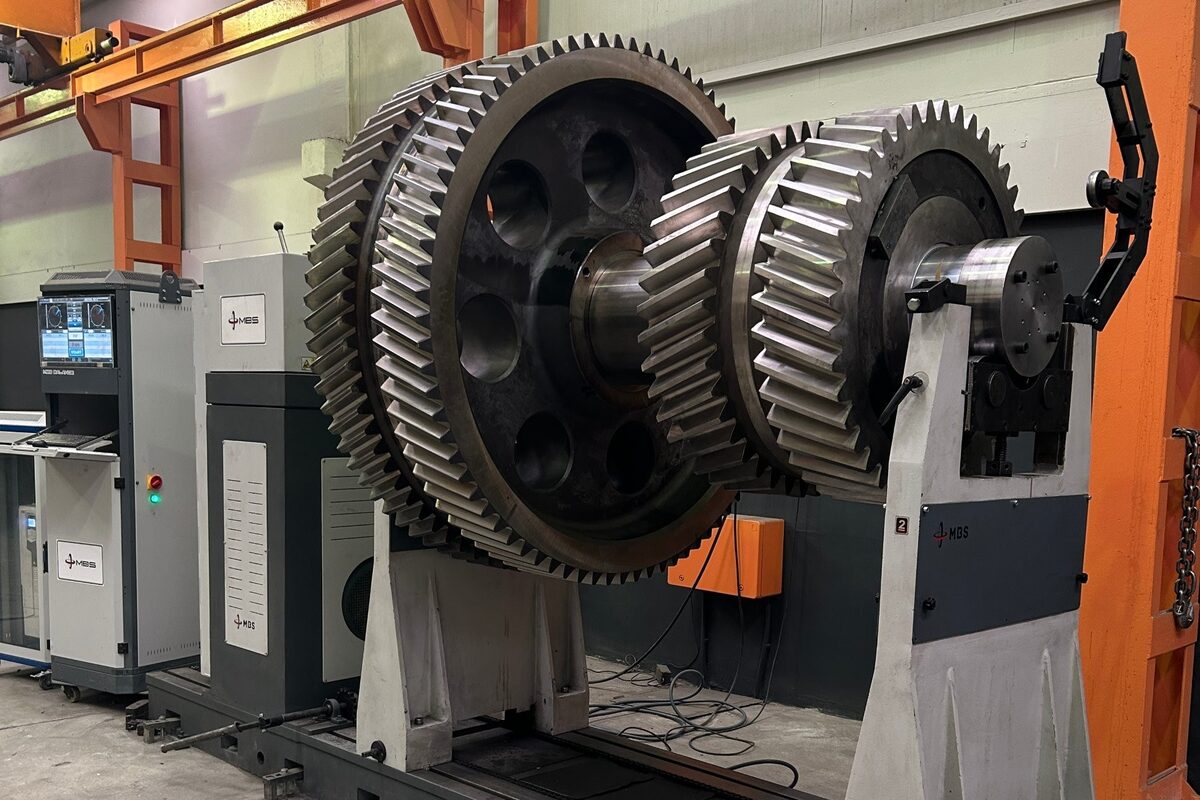
MBS Balance has built balancing machines since 1991. Send us the part weight, the dimensions, the service speed and the required balance grade, and we will give you a price and a date.
Frequently Asked Questions
What is the difference between static and dynamic balancing?
Static balancing corrects the unbalance in one plane and is enough for narrow parts such as discs and thin fan wheels. Dynamic balancing corrects in two planes and is needed for longer rotors, where the unbalance at the two ends can point in different directions.
What do you need from us?
The part weight, the largest diameter, the distance between the bearing seats, the service speed and the required balance grade. A drawing or photo helps.
Can you balance on site instead?
Yes. If the machine cannot be dismantled, we balance it in place (on-site balancing service).
Which balance grade do you reach?
The grade required for the part according to ISO 21940-11, for example G 6.3 for fans and pump impellers or G 2.5 for gas and steam turbines and machine-tool drives. The report shows the residual unbalance.


