 Türkçe
  English
  Deutsch
  Español
  Français
  Italiano
  Português
  Русский
  عربي
عربي  Polski
  Čeština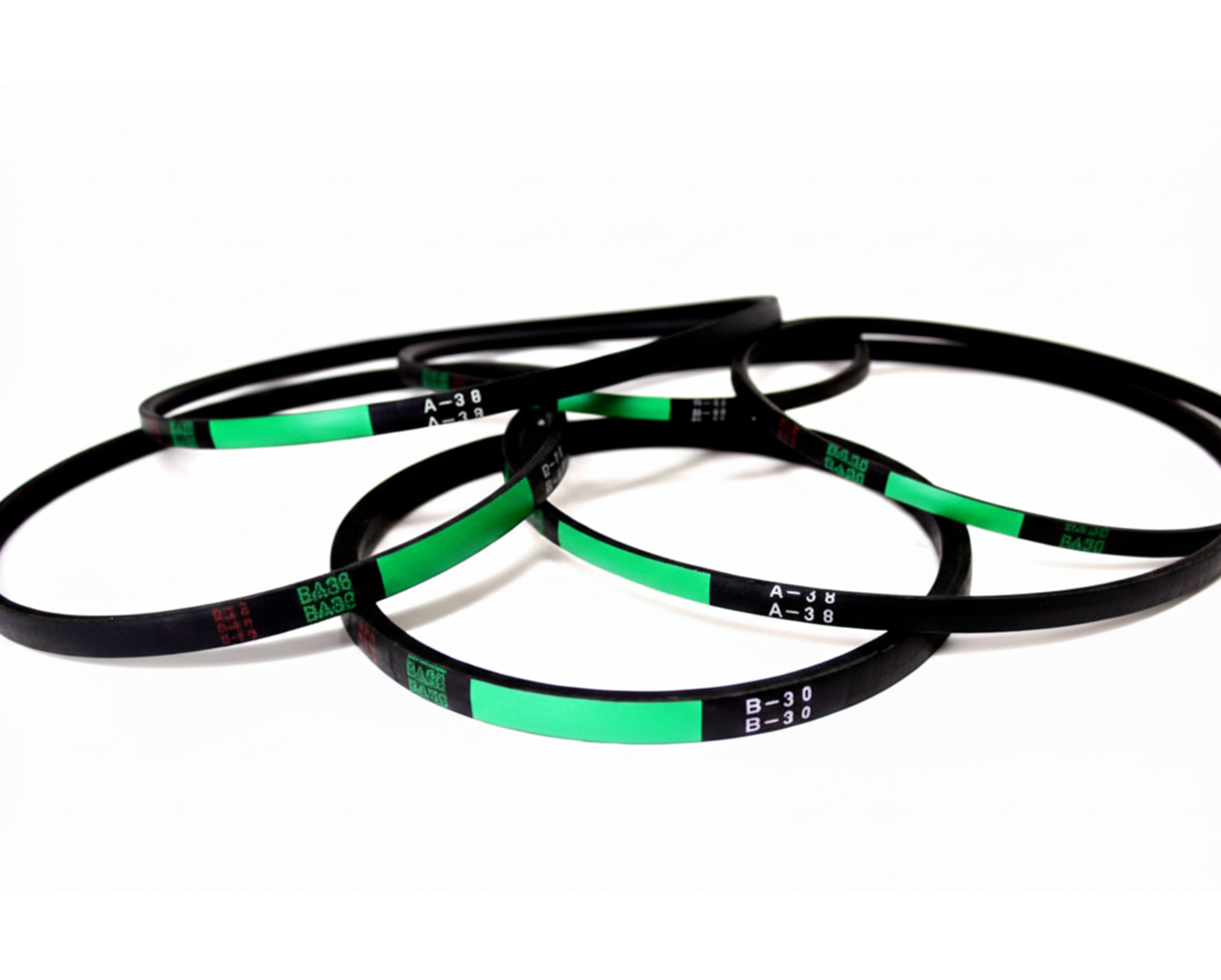
Belt Drive Unit Belts
Product Description
In dynamic balancing processes, the precise rotation of the rotor on the balancing machine is a critical step. Belt-drive systems are a preferred method, especially in balancing soft-bearing and small/medium-sized rotors, due to the advantage of their non-concentric drive. This drive system aims to maximize measurement accuracy by providing minimum transfer of extraneous forces and moments to the rotor. Functional Role of the Drive Belt
The drive belt is the primary mechanical interface that transmits the rotational movement (torque and speed) from the balancing machine's motor to the balancing shaft or directly to the rotor itself. The primary functions of the belt are:
- Vibration Isolation: To optimize the signal-to-noise ratio (SNR) by minimizing the transmission of motor vibrations to the rotor bearing and thus to the measurement system.
- Uniform Speed Transmission: To ensure that the rotor rotates at a constant angular velocity (steady-state rotational speed) throughout the entire measurement period. Speed fluctuations caused by the belt (e.g., slippage) can lead to errors in the measured imbalance phase and amplitude values.
- Reducing Centrifugal Forces: Minimizing external radial forces that would interfere with the signal measured by the balancing bearings at the surface where the belt contacts the rotor.
Optimization and Maintenance Protocols
The drive belt is considered a consumable and requires regular inspection and replacement to maintain measurement accuracy.
- Tension Adjustment: Belt tension must strictly conform to the machine manufacturer's specifications. Excessively loose belts cause slippage, while excessively tight belts transmit additional radial load to the rotor bearings and noise to the measurement system. It is recommended to use frequency analysis-based tension measuring devices.
- Surface Cleaning: Cleaning the belt and rotor surface of oil, dust, or other contaminants is essential for a stable friction coefficient and reliable speed transmission.
- Periodic Replacement: The belt should be replaced immediately if it loses its elasticity, cracks, or deforms on its surface. Preventive replacement programs, depending on the operating hours, prevent a decrease in measurement quality.
A correctly selected and optimized drive belt ensures that your investments operate with maximum efficiency by maintaining the measurable integrity of your balancing machine.